
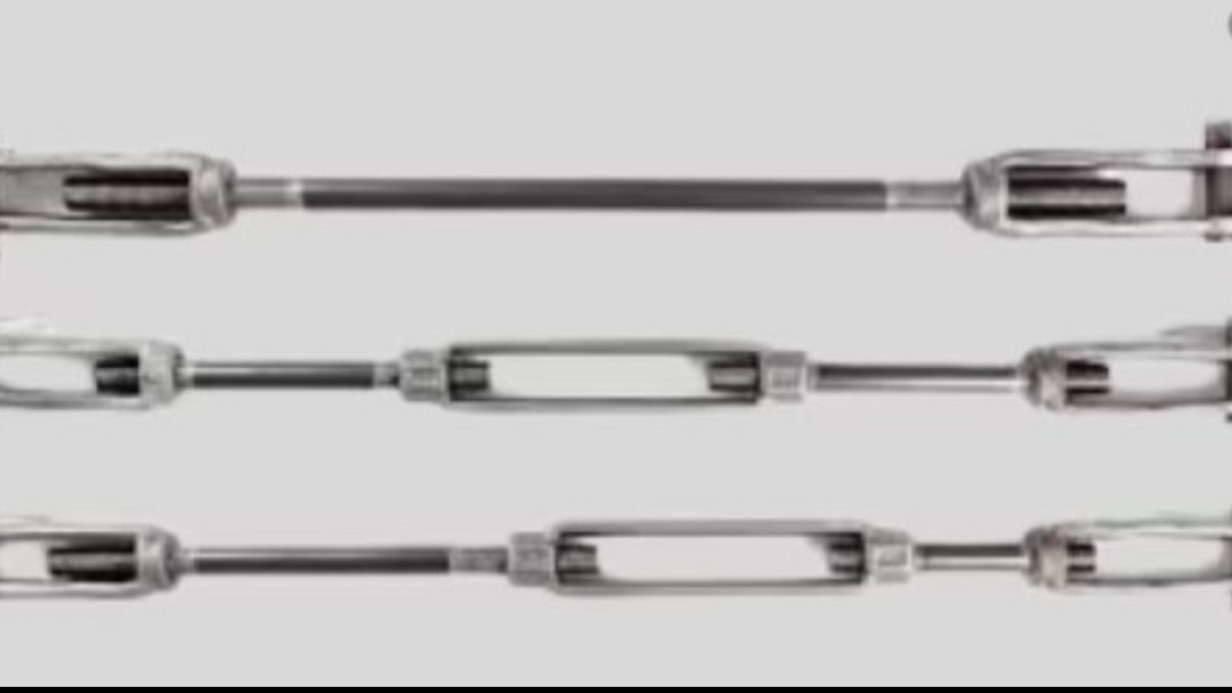
Every steel building depends on a combination of primary and secondary structural components to remain stable under different loading conditions. While beams, columns, and roof systems are often the most visible elements, bracing rods quietly perform one of the most important structural functions. They help maintain the building's alignment, improve load distribution, and increase resistance against lateral forces such as wind.
As industrial development continues to expand across Nagpur and Maharashtra, businesses are investing in robust steel structures that can withstand demanding operational conditions. RSR Steel Pvt. Ltd. supplies structural components for industrial projects, including bracing systems that contribute to the overall strength and stability of steel buildings.
Understanding the purpose of bracing rods can help project owners appreciate why they are indispensable in modern industrial construction.
What Are Bracing Rods?
Bracing rods are steel rods installed diagonally between structural members to reinforce the stability of a building. Their primary role is to resist lateral forces and prevent structural movement that could compromise the integrity of the framework.
These rods work alongside columns, beams, purlins, and roof systems to create a balanced structural network capable of handling dynamic loads.
Bracing rods are commonly used in:
- Pre-engineered buildings
- Industrial sheds
- Warehouses
- Manufacturing plants
- Logistics centres
- Commercial steel buildings
- Agricultural structures
Why Are Bracing Rods Important?
Steel buildings experience more than just vertical loads. Wind pressure, equipment vibrations, and temperature changes can introduce lateral forces that affect the structure over time.
Bracing rods help by:
- Increasing structural rigidity
- Reducing unwanted movement
- Supporting load distribution
- Enhancing resistance to wind forces
- Improving the overall stability of the framework
Without an effective bracing system, even a well-designed building may experience excessive structural movement.
Types of Bracing Systems
Although bracing rods are widely used, different structural layouts require different configurations.
Some common systems include:
Cross Bracing
Two rods intersect diagonally to create an 'X' pattern, offering excellent resistance against lateral loads.
Diagonal Bracing
Single diagonal rods connect structural members where space or design constraints exist.
Roof Bracing
Installed beneath roof systems to maintain alignment and distribute loads across the structure.
Wall Bracing
Supports wall systems while improving the building's ability to withstand wind pressure.
The final design depends on engineering calculations and the intended use of the building.
Benefits Beyond Structural Stability
Bracing rods contribute to several operational advantages.
Improved Building Safety
A properly braced structure performs more reliably under changing environmental conditions.
Better Load Management
Bracing helps distribute forces evenly across the structural framework, reducing stress on individual components.
Longer Structural Life
Balanced load transfer minimizes excessive strain, supporting the longevity of the building.
Cost-Effective Reinforcement
Compared to major structural modifications, incorporating properly designed bracing rods during construction offers an efficient way to enhance building performance.
Common Mistakes During Installation
The effectiveness of bracing rods depends on proper installation.
Some common errors include:
- Incorrect rod sizing
- Poor tension adjustment
- Misaligned connections
- Inadequate fastening
- Failure to follow engineering drawings
Routine inspections during construction help identify and correct these issues before the building is completed.
Where Bracing Rods Are Most Beneficial
Bracing systems are especially valuable in buildings that feature:
- Large roof spans
- High sidewalls
- Heavy machinery
- Crane systems
- Wide column spacing
- Open industrial layouts
These conditions place greater demands on the structural framework, making effective bracing essential.
Planning for Local Conditions
Nagpur's weather includes strong summer heat, seasonal monsoon winds, and varying environmental loads. Engineers account for these regional factors when designing steel buildings to ensure long-term structural performance.
Choosing structural components that are manufactured to meet project-specific requirements is just as important as selecting quality roofing or steel sections.
Companies such as RSR Steel Pvt. Ltd. support industrial developments by supplying dependable structural components designed for modern engineering standards. While bracing rods may not receive the same attention as larger steel members, they remain one of the most important elements in creating safe, durable, and efficient industrial buildings throughout Maharashtra.