Proper ventilation is one of the most overlooked aspects of industrial building design, yet it has a direct impact on employee comfort, equipment performance, and overall operational efficiency. Excess heat, humidity, dust, and trapped fumes can create an uncomfortable and sometimes unsafe working environment. This is why many industries in Nagpur and across Maharashtra are replacing traditional ventilation methods with turbo air ventilators.
RSR Steel Pvt. Ltd. offers industrial roofing and ventilation solutions that help factories and commercial buildings maintain healthier indoor environments. Before choosing a ventilation system, it is worth understanding how turbo air ventilators compare with conventional alternatives.
Why Ventilation Matters in Industrial Facilities
Manufacturing plants generate heat from machinery, welding operations, production lines, and electrical equipment. Without proper airflow, indoor temperatures can rise significantly, affecting both productivity and equipment lifespan.
Poor ventilation may lead to:
- Heat buildup inside production areas
- Increased humidity
- Condensation issues
- Poor indoor air quality
- Reduced worker comfort
- Higher dependence on exhaust fans and cooling systems
Selecting the right ventilation solution can help address these issues while lowering operational costs.
Understanding Turbo Air Ventilators
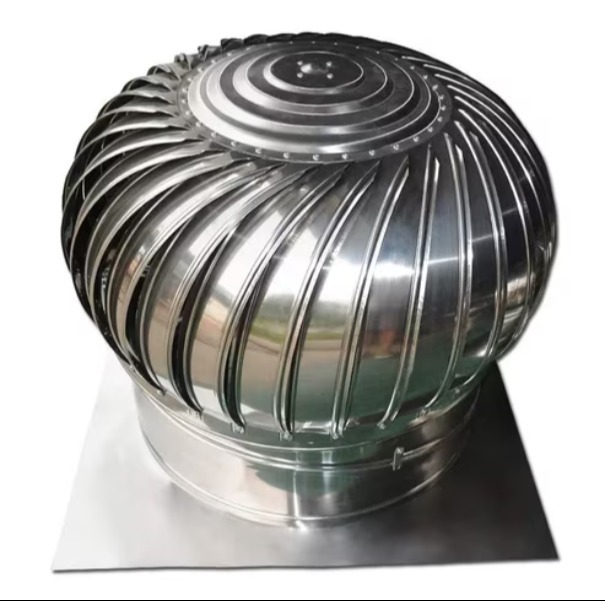
Turbo air ventilators are roof-mounted devices that rotate using natural wind energy and the pressure difference between indoor and outdoor air. As the turbine spins, it continuously removes hot and stale air from the building without requiring electricity.
Unlike powered exhaust systems, these ventilators operate throughout the day whenever natural airflow is present, making them an energy-efficient option for industrial buildings.
They are commonly installed in:
- Manufacturing units
- Warehouses
- Logistics centres
- Workshops
- Commercial sheds
- Processing plants
- Agricultural buildings
How Conventional Ventilation Systems Work
Traditional ventilation systems often rely on electric exhaust fans or mechanical air handling equipment. While effective in many situations, they involve ongoing electricity consumption and regular maintenance.
Mechanical systems may also require:
- Electrical wiring
- Motor servicing
- Replacement of moving components
- Higher operating costs over time
For facilities looking to reduce energy usage, this becomes an important consideration.
Comparing Turbo Air Ventilators and Conventional Systems
Energy Consumption
Turbo air ventilators operate without electricity, making them an economical long-term solution for many industrial facilities.
Mechanical exhaust systems require continuous power, especially in larger buildings where multiple units operate simultaneously.
Maintenance Requirements
Because turbo ventilators have a relatively simple design, maintenance is generally limited to periodic inspections and cleaning.
Electric ventilation systems contain motors, belts, and electrical components that may require more frequent servicing.
Operating Costs
Although installation costs vary depending on project size, turbo air ventilators usually result in lower operating expenses because they do not consume electrical power during daily operation.
Indoor Temperature Control
By continuously removing trapped hot air, turbo ventilators help reduce roof-level heat accumulation. This creates a more comfortable indoor environment, particularly during Nagpur's hot summer months.
Mechanical systems can also improve airflow but often come with higher energy costs.
Environmental Impact
Businesses increasingly focus on sustainable infrastructure. Since turbo air ventilators use natural wind instead of electricity, they contribute to reduced energy consumption and support environmentally responsible building practices.
When Turbo Air Ventilators Are the Better Choice
They are particularly effective for buildings that experience significant heat buildup beneath metal roofs.
Examples include:
- Engineering workshops
- Fabrication units
- Automobile service centres
- Warehouses
- Packaging facilities
- Food processing plants
- Industrial manufacturing units
In these environments, natural air extraction often provides noticeable improvements in comfort.
Situations Where Mechanical Systems May Still Be Needed
While turbo air ventilators perform well in many applications, some facilities require additional ventilation support.
Buildings with:
- Chemical processing operations
- Controlled clean-room environments
- Specialized HVAC requirements
- Air-conditioned production zones
may benefit from combining natural and mechanical ventilation systems.
An experienced project consultant can recommend the most suitable configuration based on operational requirements.
Factors to Consider Before Installation
Every industrial building has unique ventilation needs. Before selecting a system, evaluate:
- Building size and roof height
- Type of manufacturing activity
- Heat generated by machinery
- Existing airflow patterns
- Local climate conditions
- Roof design and structure
- Future expansion plans
A detailed site assessment helps ensure the ventilation system performs efficiently over the long term.
Common Questions About Turbo Air Ventilators
Do they work without electricity?
Yes. They rely on natural wind movement and pressure differences to extract hot air.
Can they be installed on existing buildings?
In many cases, yes. Existing industrial roofs can often be retrofitted with properly designed ventilators.
Are they suitable for all weather conditions?
Quality ventilators are designed to perform reliably in varying weather conditions, including seasonal rainfall and high temperatures common in Maharashtra.
Making the Right Choice
Ventilation is a long-term investment that affects operating costs, employee comfort, and building efficiency. Choosing a system based solely on initial price can result in higher maintenance expenses later.
For industries in Nagpur, turbo air ventilators often provide an excellent balance of energy efficiency, durability, and low maintenance. Businesses working with experienced providers such as RSR Steel Pvt. Ltd. can benefit from solutions that are matched to their building layout and operational needs, ensuring better airflow and improved workplace conditions for years to come.