
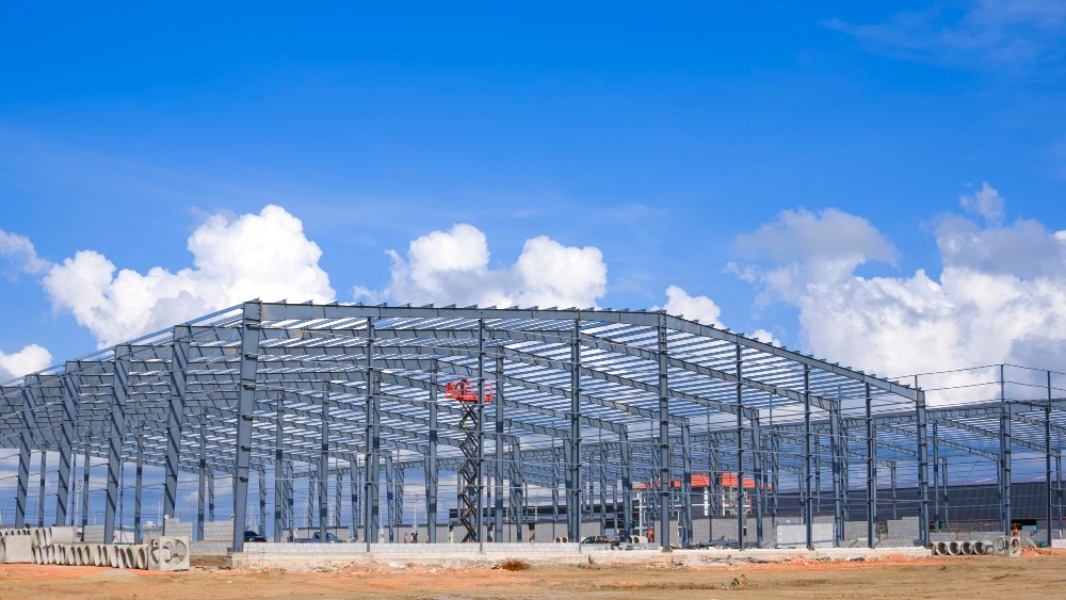
Industrial construction has changed significantly over the past decade. Businesses today want facilities that can be built faster, perform efficiently, and remain cost-effective over the long term. This shift has made pre-engineered buildings (PEBs) one of the most preferred construction solutions for factories, warehouses, logistics parks, and commercial establishments.
Across Nagpur and other industrial regions of Maharashtra, developers are increasingly choosing pre-engineered buildings because they simplify construction while maintaining structural strength and flexibility. RSR Steel Pvt. Ltd. provides steel building solutions that support industrial projects looking for modern, scalable infrastructure.
What Is a Pre-Engineered Building?
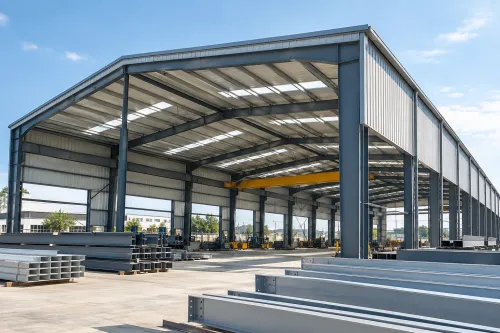
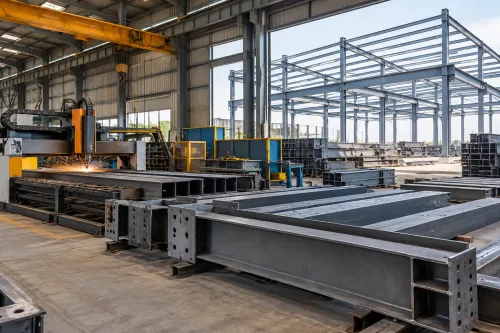
A pre-engineered building is a steel structure that is designed, fabricated, and manufactured before reaching the construction site. Instead of assembling every structural element from scratch, the components are engineered for precise fitting, reducing construction time and minimizing material wastage.
A typical PEB includes:
- Primary steel frames
- Secondary structural members
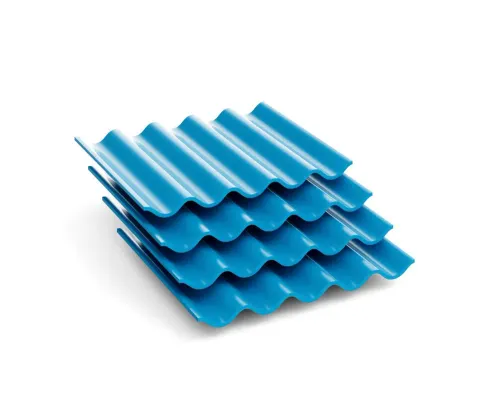
- Roofing systems
- Wall cladding
- Purlins
- Bracing systems
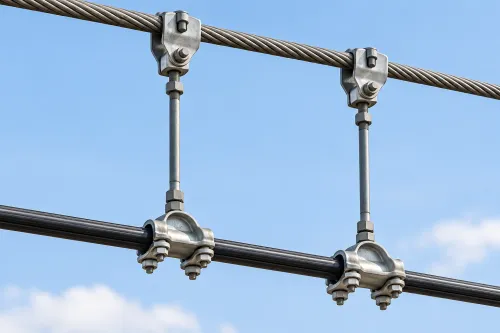
- Fasteners and accessories
Each component is manufactured according to project specifications, making installation more organized and predictable.
Why Industries Are Moving Towards PEB Construction
Traditional construction methods often involve lengthy timelines and higher on-site labour requirements. Pre-engineered buildings address many of these challenges.
Faster Project Completion
Since structural components are manufactured before arriving at the site, construction begins immediately after the foundation is ready.
This significantly reduces overall project duration.
Better Cost Management
PEBs optimize material usage during the design stage, reducing unnecessary steel consumption and minimizing waste.
The result is better budget control throughout the project.
Flexible Design Possibilities
Industrial facilities evolve over time.
Pre-engineered buildings make future expansion easier by allowing additional bays or sections to be incorporated with minimal disruption.
High Structural Reliability
Modern engineering software ensures every component is designed according to expected loads, including wind, roof weight, and operational requirements.
This creates a structurally dependable building suited for industrial operations.
Industries That Benefit from PEBs
Pre-engineered buildings serve a wide range of sectors.
Some common applications include:
- Manufacturing plants
- Warehouses
- Distribution centres
- Automobile workshops
- Agricultural storage facilities
- Food processing units
- Logistics hubs
- Commercial showrooms
- Aircraft hangars
Their adaptability makes them suitable for both medium-scale businesses and large industrial developments.
Features That Improve Long-Term Performance
When properly designed, a PEB offers several operational advantages.
These include:
- Lower maintenance requirements
- Efficient space utilization
- Large column-free working areas
- Faster installation
- Better structural consistency
- Compatibility with insulation and ventilation systems
Many industrial owners also integrate turbo air ventilators, polycarbonate sheets, and colour coated roofing to further improve building performance.
Common Misconceptions About Pre-Engineered Buildings
Some buyers hesitate because of outdated assumptions.
Myth: PEBs are only temporary structures.
Fact: Properly engineered buildings are designed for long-term industrial use and comply with applicable engineering standards.
Myth: They cannot support heavy industrial operations.
Fact: Modern PEBs are widely used for heavy manufacturing, engineering plants, and logistics facilities.
Myth: Customisation options are limited.
Fact: Today's designs accommodate varying spans, heights, crane systems, mezzanine floors, and future expansion requirements.
Important Factors Before Starting a PEB Project
Successful industrial construction begins with careful planning.
Project owners should evaluate:
- Intended building purpose
- Future production capacity
- Internal equipment layout
- Roof ventilation requirements
- Material handling systems
- Local environmental conditions
- Foundation design
- Scope for future expansion
These considerations help ensure the building continues meeting operational requirements as the business grows.
Why Local Experience Matters
Nagpur experiences high summer temperatures along with seasonal monsoon conditions. These environmental factors influence roofing, ventilation, drainage, and structural design.
Working with an experienced manufacturer that understands regional conditions helps avoid common construction challenges while ensuring better long-term performance.
Companies such as RSR Steel Pvt. Ltd. support industrial clients by supplying structural solutions suited to local requirements and modern engineering practices. As industries continue expanding across Maharashtra, pre-engineered buildings remain one of the most practical choices for businesses seeking faster construction, efficient operations, and durable infrastructure capable of supporting future growth.