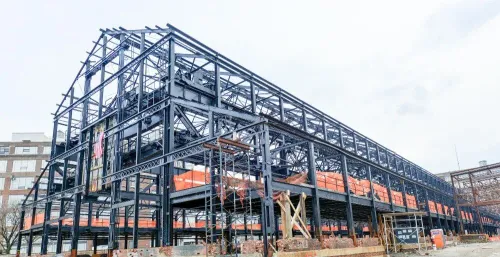
Steel structures are made up of thousands of interconnected components, each contributing to the overall strength and stability of the building. Among these components, cleats often receive little attention despite playing a significant role in creating secure structural connections. Properly designed cleats help transfer loads efficiently, improve installation accuracy, and enhance the durability of industrial buildings.
As factories, warehouses, and commercial facilities continue to grow across Nagpur and Maharashtra, engineers rely on quality connection systems to ensure structural integrity. RSR Steel Pvt. Ltd. supplies structural steel solutions that include components designed to support reliable building performance, making cleats an important consideration during project planning.
What Are Cleats?
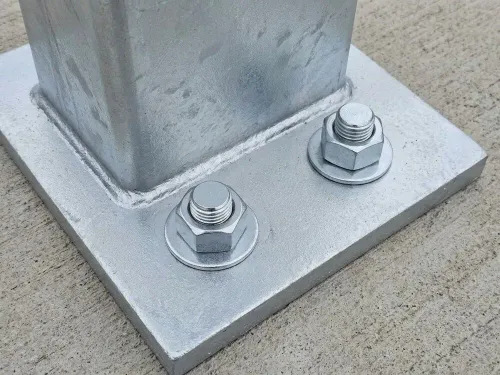
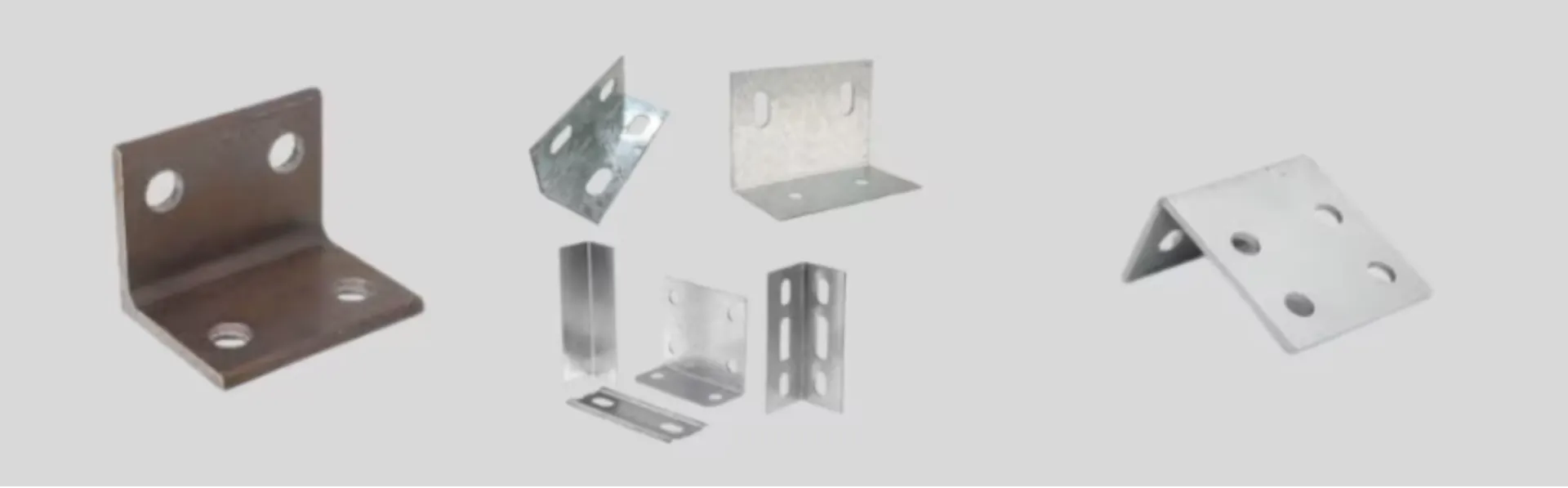
Cleats are steel connection components used to join structural members such as beams, columns, purlins, and braces. They are generally fabricated from steel plates or angles and secured using bolts or welding, depending on the structural design.
Although relatively small compared to primary steel members, cleats perform an essential function by transferring forces between connected elements.
They are commonly used in:
- Industrial buildings
- Pre-engineered structures
- Warehouses
- Manufacturing plants
- Commercial buildings
- Steel bridges
- Infrastructure projects
Why Cleats Are Important
Every steel connection must safely transfer structural loads without creating weak points in the framework.
Cleats help achieve this by:
- Providing secure beam-to-column connections
- Supporting efficient load transfer
- Improving structural stability
- Simplifying installation
- Allowing accurate alignment during assembly
A well-designed connection system contributes significantly to the overall safety of the structure.
Types of Cleats Used in Steel Construction
Different structural situations require different connection details.
Some commonly used types include:
Angle Cleats
These are among the most widely used connection components in industrial buildings due to their simplicity and versatility.
Plate Cleats
Flat steel plates are often used where higher load capacities or specific engineering requirements exist.
Welded Cleats
Suitable for applications requiring permanent structural connections.
Bolted Cleats
Preferred where future maintenance, replacement, or structural modifications may be required.
The appropriate option depends on engineering calculations and project specifications.
Benefits of Properly Designed Cleats
Choosing quality connection components offers several advantages.
Reliable Structural Performance
Proper connections help ensure that structural loads are transferred safely throughout the building.
Faster Construction
Standardized cleats simplify on-site assembly and reduce installation time.
Easier Maintenance
Bolted connections can often be inspected and maintained more conveniently than permanent welded systems.
Greater Structural Accuracy
Engineered cleats help maintain correct alignment during steel erection, reducing installation errors.
Factors to Consider Before Selection
Engineers evaluate several criteria when specifying cleats.
These include:
- Load requirements
- Beam and column sizes
- Bolt specifications
- Steel grade
- Corrosion protection
- Connection type
- Building function
- Applicable engineering standards
Selecting the correct component ensures compatibility with the overall structural design.
Common Installation Errors
Even high-quality cleats may underperform if installed incorrectly.
Some avoidable mistakes include:
- Incorrect bolt tightening
- Misaligned holes
- Improper welding
- Using unsuitable steel grades
- Ignoring engineering drawings
- Inadequate corrosion protection
Strict quality control during fabrication and erection helps minimize these issues.
Why Quality Connections Matter in Industrial Projects
Industrial buildings often house heavy machinery, overhead cranes, storage systems, and continuous manufacturing operations. These environments place significant demands on structural connections.
Reliable cleats contribute to:
- Improved operational safety
- Better load distribution
- Enhanced structural durability
- Reduced maintenance requirements
- Greater confidence in long-term building performance
Choosing the Right Structural Partner
Successful industrial construction depends on much more than steel quantity alone. Every connection, no matter how small, influences the strength and reliability of the completed structure.
Businesses planning industrial projects in Nagpur benefit from working with experienced manufacturers that understand modern engineering practices and regional construction requirements. Companies like RSR Steel Pvt. Ltd. provide structural steel components that support dependable building performance, helping contractors and project owners create facilities capable of meeting today's industrial demands while remaining prepared for future expansion.
Keywords