When discussing industrial construction, attention is often focused on steel columns, roofing systems, or heavy machinery. However, one of the most important structural elements remains hidden beneath the surface—foundation bolts. These seemingly simple components are responsible for securely connecting steel structures to concrete foundations, ensuring stability under heavy loads and changing environmental conditions.
Whether constructing a factory, warehouse, manufacturing plant, or pre-engineered building in Nagpur, selecting the correct foundation bolts is essential for structural safety. RSR Steel Pvt. Ltd. supplies industrial building components that contribute to reliable and long-lasting steel structures, making foundation quality an important part of every project.
What Are Foundation Bolts?
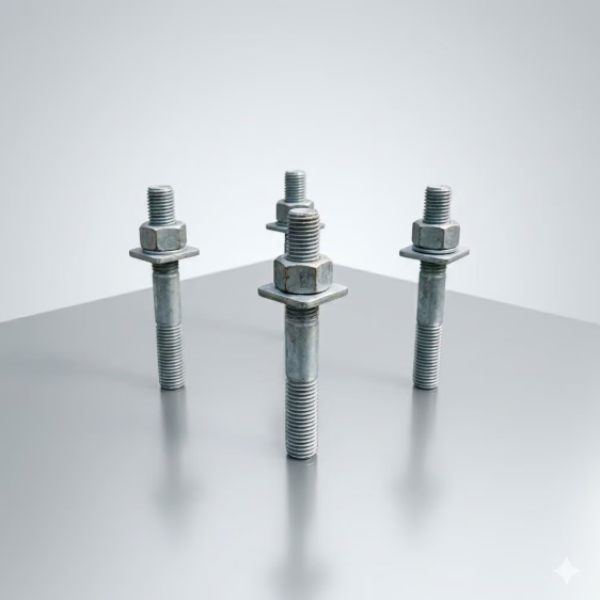
Foundation bolts, also known as anchor bolts, are specially designed fasteners embedded into concrete foundations before steel columns are erected. Once the concrete cures, these bolts provide the connection between the building's structural framework and its foundation.
Their role extends beyond simply holding columns in place.
Foundation bolts help resist:
- Vertical loads
- Horizontal forces
- Wind pressure
- Equipment vibration
- Seismic movement where applicable
Without properly designed anchor systems, even the strongest steel framework cannot perform as intended.
Types of Foundation Bolts
Different industrial applications require different bolt configurations.
Some commonly used types include:
- L-Type Foundation Bolts
- J-Type Foundation Bolts
- Straight Anchor Bolts
- Sleeve Anchor Systems
- Plate Anchor Bolts
The appropriate selection depends on structural design, load requirements, and foundation specifications.
Why Correct Bolt Selection Matters
Foundation bolts transfer structural forces directly into the concrete foundation.
Incorrect sizing or placement may lead to:
- Misaligned columns
- Installation delays
- Structural instability
- Increased maintenance
- Costly repairs during construction
Because these bolts become permanently embedded in concrete, correcting installation mistakes after casting is often difficult.
Factors Engineers Consider
Before selecting foundation bolts, structural engineers evaluate several important aspects.
These include:
- Building load requirements
- Column dimensions
- Concrete strength
- Bolt diameter
- Embedment depth
- Environmental conditions
- Wind load calculations
- Future equipment installation
Each factor contributes to the long-term safety of the completed structure.
Common Applications
Foundation bolts are widely used in:
- Pre-engineered buildings
- Industrial sheds
- Power plants
- Manufacturing facilities
- Warehouses
- Transmission towers
- Heavy machinery foundations
- Commercial steel structures
Wherever structural steel meets concrete, foundation bolts play a vital role.
Installation Best Practices
Accurate installation is just as important as selecting the right bolt.
Experienced contractors typically ensure:
- Precise positioning using templates
- Correct bolt alignment
- Proper embedment depth
- Adequate concrete cover
- Protection of exposed threads during casting
These practices simplify steel erection and reduce installation errors.
Mistakes That Can Affect Structural Performance
Several avoidable mistakes can compromise foundation quality.
Examples include:
- Incorrect bolt spacing
- Using unsuitable bolt grades
- Poor alignment during concrete pouring
- Inadequate embedment
- Damaged threads before installation
- Failure to verify measurements before casting
Thorough planning and quality control help eliminate these issues before construction progresses.
Why Local Construction Experience Adds Value
Industrial construction in Maharashtra requires consideration of local soil conditions, climatic variations, and project-specific engineering requirements. Foundation systems should always be designed with these factors in mind rather than relying on generic specifications.
Experienced manufacturers and suppliers understand these regional requirements and work alongside engineers to ensure components meet project expectations.
For businesses investing in industrial infrastructure across Nagpur, foundation bolts may represent only a small percentage of the total project cost, but their contribution to structural integrity is substantial. Companies like RSR Steel Pvt. Ltd. support builders with dependable structural components that help create safe, durable, and efficient industrial facilities capable of serving businesses for decades.